Manchester City midfielder Kevin De Bruyne said he is unlikely to play at the Club World Cup due to concerns about picking up an injury ahead of his departure from the club.
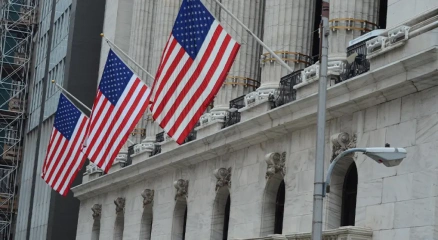
Global stock markets remained mixed today as investors weighed fresh U.S. inflation data, corporate earnings reports, and the ongoing economic uncertainty in China and Europe. The U.S. stock market opened slightly higher on Monday morning, with the Dow Jones Industrial Average rising 0.4%, the S&P 500 climbing 0.3%, and the Nasdaq Composite gaining 0.5% in early trading. Investors responded positively to June's U.S. Consumer Price Index (CPI) report, which showed inflation cooling slightly to an annual rate of 3.0%, down from 3.3% in May."Markets are optimistic that the Federal Reserve may pause or even cut interest rates by the fall," said Lisa Raymond, chief analyst at Morgan & Co. "But it's still a wait-and-see situation, especially with more earnings coming this week." Wall Street Opens Higher Dow +0.4%, S&P 500 +0.3%, Nasdaq +0.5% on Monday morning. Boosted by June CPI showing inflation cooled to 3.0% (down from 3.3%). Hopes rise for potential Fed rate cut or pause by fall. The U.S. stock market opened slightly higher on Monday morning, with the Dow Jones Industrial Average rising 0.4%, the S&P 500 climbing 0.3%, and the Nasdaq Composite gaining 0.5% in early trading. Investors responded positively to June's U.S. Consumer Price Index (CPI) report, which showed inflation cooling slightly to an annual rate of 3.0%, down from 3.3% in May. "Markets are optimistic that the Federal Reserve may pause or even cut interest rates by the fall," said Lisa Raymond, chief analyst at Morgan & Co. "But it's still a wait-and-see situation, especially with more earnings coming this week." Tech Leads the Way Technology stocks led the gains in the U.S., with Apple (AAPL) up 1.8% and Nvidia (NVDA) jumping 2.4%, as demand for AI and semiconductors remains strong. Tesla (TSLA) also rebounded, rising 3.1% after announcing better-than-expected Q2 vehicle deliveries. Global stock markets showed a mixed performance as investors weighed persistent inflation concerns against a wave of corporate earnings reports. While strong results from major tech companies helped lift some indexes, uncertainty surrounding central bank policies and the future path of interest rates kept others in check. In the U.S., Europe Struggles on Growth Concerns Meanwhile, European markets showed little movement, with the FTSE 100 in London flat and Germany’s DAX down 0.2%. Investors remain concerned about weak industrial output and rising energy costs across the Eurozone.“The European economy is showing signs of fatigue,” said Carla Dupont, economist at BNP Paribas. “High borrowing costs and geopolitical tensions are dragging down business activity.”Global stock markets showed a mixed performance as investors weighed persistent inflation concerns against a wave of corporate earnings reports. While strong results from major tech companies helped lift some indexes, uncertainty surrounding central bank policies and the future path of interest rates kept others in check. In the U.S., Market Performance Summary Table Region Index/Company Movement (%) Key Driver USA Dow Jones +0.4% Positive CPI report (3.0% inflation) S&P 500 +0.3% Rate cut optimism Nasdaq +0.5% Tech stock gains Apple (AAPL) +1.8% Strong AI demand Nvidia (NVDA) +2.4% Semiconductor growth Tesla (TSLA) +3.1% Strong Q2 deliveries Europe FTSE 100 (UK) 0.0% Flat due to economic uncertainty DAX (Germany) -0.2% Weak industrial output, high energy costs Asia Nikkei 225 (Japan) +0.6% Strong export performance Shanghai Composite -1.2% Property sector risks, low consumer spending Asia Mixed as Chinese Markets Slump In Asia, markets showed mixed results. Japan’s Nikkei 225 gained 0.6%, supported by strong export data. However, Chinese markets fell sharply, with the Shanghai Composite down 1.2%, as fears about the country’s property sector and sluggish consumer spending persisted. Gains in consumer and tech sectors pushed markets higher, but weaker-than-expected bank earnings and inflation-related jitters limited broader momentum. European markets edged lower as traders grew cautious about global trade tensions and slowing growth indicators, while Asian markets saw mixed results, with Hong Kong posting modest gains and Tokyo slipping slightly. Overall, market sentiment remains cautious as investors await further economic data and guidance from central banks. Looking Ahead Investors are now turning their focus to key corporate earnings this week from major banks like JPMorgan Chase, Goldman Sachs, and Citigroup, as well as tech giants like Netflix and Microsoft. The results are expected to provide a clearer picture of business resilience amid high interest rates and uncertain global demand. Overall, market sentiment remains cautious as investors await further economic data and guidance from central banks.
The U.S. Supreme Court issued a landmark ruling on Monday, declaring that former presidents are entitled to partial immunity from criminal prosecution for actions taken while in office. The 6-3 decision, split along ideological lines, has triggered intense political and legal debate across the country.The ruling stems from charges brought against former President Donald Trump, who has faced multiple indictments related to alleged interference in the 2020 presidential election and events surrounding the January 6 Capitol riot. The Court’s decision now makes it more difficult for prosecutors to pursue charges for actions deemed as part of a president's official duties. Divided Reactions President Joe Biden responded to the ruling by calling it a “dangerous precedent” that could place future presidents above the law. “No one in America should be beyond accountability,” he said during a press conference.Republican leaders, however, welcomed the decision. House Speaker Steve Scalise stated, “This ruling upholds the constitutional separation of powers and protects the office of the presidency from political attacks.”The recent Supreme Court ruling on presidential immunity has ignited intense debate across the United States, with sharp divisions emerging among legal experts, lawmakers, and the public. The decision, which sets new boundaries on the legal protections afforded to sitting presidents, has far-reaching implications for the balance of power and accountability in government. Supporters argue that the ruling upholds the integrity of the executive office by protecting it from politically motivated prosecutions, while critics warn that it could open the door to unchecked presidential authority. What the Ruling Means The Court ruled that while presidents do not have absolute immunity, they are shielded from criminal prosecution for actions that are “within the outer perimeter of official presidential responsibilities.” However, personal or unofficial actions remain subject to prosecution.Legal experts say the ruling could delay several of Trump’s ongoing legal cases, potentially impacting the 2024 election season, where Trump remains the leading Republican contender. As protests, press conferences, and panel discussions erupt nationwide, the ruling is expected to influence upcoming elections and reshape the legal landscape surrounding executive power for years to come. Public Response The recent Supreme Court ruling on presidential immunity has ignited intense debate across the United States, with sharp divisions emerging among legal experts, lawmakers, and the public. The decision, which sets new boundaries on the legal protections afforded to sitting presidents, has far-reaching implications for the balance of power and accountability in government. Supporters argue that the ruling upholds the integrity of the executive office by protecting it from politically motivated prosecutions, while critics warn that it could open the door to unchecked presidential authority. As protests, press conferences, and panel discussions erupt nationwide, the ruling is expected to influence upcoming elections and reshape the legal landscape surrounding executive power for years to come.
Iran and Israel traded further air attacks on Thursday as President Donald Trump kept the world guessing about whether the United States would join Israel's bombardment of Iranian nuclear facilities. Google News LinkFor all latest news, follow The Daily Star's Google News channel. A week of Israeli air and missile strikes against its major rival has wiped out the top echelon of Iran's military command, damaged its nuclear capabilities and killed hundreds of people, while Iranian retaliatory strikes have killed two dozen civilians in Israel. Iran and Israel traded further air attacks on Thursday as President Donald Trump kept the world guessing about whether the United States would join Israel's bombardment of Iranian nuclear facilities. Guardian council warns US of 'harsh response A key Iranian body warned the United States on Thursday that any intervention in support of its ally Israel would be met with a "harsh response". "The criminal American government and its stupid president must know for sure that if they make a mistake and take action against Islamic Iran, they will face a harsh response from the Islamic Republic of Iran," the Guardian Council said in a statement carried by state television. Google News LinkFor all latest news, follow The Daily Star's Google News channel. A week of Israeli air and missile strikes against its major rival has wiped out the top echelon of Iran's military command, damaged its nuclear capabilities and killed hundreds of people, while Iranian retaliatory strikes have killed two dozen civilians in Israel. Guardian council warns US of 'harsh response' if it intervenes. A key Iranian body warned the United States on Thursday that any intervention in support of its ally Israel would be met with a "harsh response". "The criminal American government and its stupid president must know for sure that if they make a mistake and take action against Islamic Iran, they will face a harsh response from the Islamic Republic of Iran," the Guardian Council said in a statement carried by state television.
Tourism Rebounds Strongly in 2025 as Travelers Seek New Adventures Post-Pandemic The global tourism industry has entered a period of remarkable recovery in 2025, following several years of pandemic-related disruption. With the lifting of most travel restrictions, renewed consumer confidence, and a deep craving for exploration, tourism has surged across continents. Experts say this rebound is not merely a return to old patterns, but a reshaping of how people travel, what they value, and how the industry responds. International Travel Reaches Record Levels Countries around the world have seen a significant rise in international arrivals. Popular destinations like France, Thailand, Italy, and Mexico are reporting visitor numbers that not only match but exceed pre-pandemic figures. Airports are bustling, cruise ships are sailing at full capacity, and global airlines have reinstated and even expanded routes. This surge is being driven by both leisure and business travelers eager to reconnect with the world. Tourists Demand Deeper, More Meaningful Experiences Travelers in 2025 are no longer satisfied with generic sightseeing tours. There is a growing demand for immersive experiences—whether it's living with a local family in a remote village, joining a traditional cooking class, or volunteering in conservation projects. This shift reflects a deeper desire for cultural understanding, personal growth, and making lasting memories, rather than just collecting passport stamps. Technology Transforms the Travel Experience Advancements in technology have revolutionized every stage of the travel journey. From AI-powered itinerary planners and mobile boarding passes to biometric check-ins and real-time translation apps, modern travelers are enjoying unprecedented convenience. Virtual reality previews and augmented reality tours are also helping travelers plan smarter and engage more deeply with destinations. Sustainability Becomes a Core Concern Post-pandemic travelers are more environmentally conscious than ever before. Eco-tourism has moved from niche to mainstream, with tourists choosing green-certified hotels, carbon offset flights, and low-impact transport options. Many are also seeking out destinations that emphasize environmental protection, wildlife preservation, and sustainable development. Tour operators and governments are responding by investing in responsible travel infrastructure and education. Flexible Booking and Safety Measures Still Matter Despite the easing of global health threats, travelers remain cautious. Flexible booking policies, free cancellations, and comprehensive travel insurance are considered essential. Tourists also favor destinations with clear safety protocols and reliable healthcare systems. These preferences are shaping the policies of airlines, hotels, and tour agencies, which now compete not only on price and location but on traveler assurance. Domestic and Regional Tourism Remains Strong While international travel has boomed, domestic tourism has also seen steady growth. Many travelers are discovering hidden gems within their own countries—national parks, cultural heritage sites, and lesser-known towns—thanks to local government campaigns and improved transportation networks. Weekend getaways, road trips, and regional cruises are more popular than ever, helping stimulate local economies and reduce pressure on overcrowded hotspots. Travel Trends Are Redefining Industry Standards. From "workcations" that blend business with leisure to solo female travel and multi-generational family trips, the diversity of travel preferences is expanding. Social media continues to influence destination choices, while personalized travel experiences—tailored by data and AI—are raising expectations across the industry. The result is a tourism ecosystem that is more agile, inclusive, and innovative.
The United States has long been known as a nation of immigrants and diversity. Over the last century, significant demographic changes have occurred due to immigration patterns, birth rates, cultural shifts, and changing social values. This report outlines how the racial, regional, religious, and national origin composition of the U.S. population has evolved — and where it’s heading. Table 1: U.S. Population by Race/Ethnicity (1960–2024) Year White (Non-Hispanic) Black Hispanic/Latino Asian Native American Multiracial Other 1960 85% 10.5% 3.5% 0.5% 0.3% — 0.2% 1980 80% 11.5% 6.4% 1.5% 0.6% — 0.3% 2000 69% 12.3% 12.5% 3.6% 0.9% 2.4% 0.3% 2020 59.3% 13.4% 18.5% 5.9% 1.3% 2.8% 0.1% 2024* 57.1% 13.2% 19.1% 6.5% 1.4% 3.1% 0.2% Over the last six decades, the regional distribution of the U.S. population has undergone a substantial transformation. Economic shifts, climate preferences, and immigration patterns have contributed to the steady rise of the South and West as the primary hubs of growth, while the Northeast and Midwest have seen their shares of the national population gradually decline. The United States Census Bureau divides the country into four main regions: Northeast, Midwest, South, and West. Over the past several decades, regional population distribution has shifted significantly due to migration trends, job availability, climate preferences, and immigration. Table 2: Regional Population Distribution (by U.S. Census Regions) Region 1960 1980 2000 2020 2024 (Est.) Northeast 25% 22% 19% 17% 16.5% Midwest 29% 27% 23% 20% 19.7% South 31% 34% 36% 38% 39.2% West 15% 17% 22% 25% 24.6% Key Takeaway: The South and West have seen consistent growth due to warmer climates, job markets, and immigration hubs (e.g., Texas, Florida, California). The religious landscape of the United States has undergone a dramatic transformation over the past 70 years. While the country once identified overwhelmingly as Christian — particularly Protestant — more Americans today are choosing no religious affiliation, a trend that reflects shifting cultural norms, generational change, and growing diversity. Demography by religion Religion 1950 1980 2000 2020 2024 (Est.) Protestant 69% 56% 51% 40% 39% Catholic 25% 27% 24% 21% 20% Jewish 3% 2.5% 2% 1.8% 1.8% Muslim <0.1% 0.5% 1% 1.3% 1.5% Hindu/Buddhist <0.1% 0.5% 1.5% 2% 2.2% Unaffiliated 2% 7% 15% 27% 29% Key Shift: The rise of the “nones” (religiously unaffiliated) is among the most dramatic religious shifts in recent history. Immigration has always been a cornerstone of the American story. But over the past 60 years, the origins of the U.S. foreign-born population have changed dramatically — shifting from a Europe-dominated pattern to one led by Latin America, Asia, and more recently, Africa. These demographic transformations reflect both global trends and U.S. immigration policy reforms. Summary Insights Racial Diversity Growing Rapidly: Non-Hispanic Whites are no longer a supermajority. By 2045, the U.S. is projected to be “minority-majority.” Regional Power Shift: The South and West are economic and population growth engines. Religious Landscape is Secularizing: Protestants and Catholics are declining; the religiously unaffiliated are growing fastest. Immigration Patterns Have Shifted: From European-dominated to Latin American and Asian-majority since 1965’s Immigration and Nationality Act.



The United States has long been known as a nation of immigrants and diversity. Over the last century, significant demographic changes have occurred due to immigration patterns, birth rates, cultural shifts, and changing social values. This report outlines how the racial, regional, religious, and national origin composition of the U.S. population has evolved — and where it’s heading. Table 1: U.S. Population by Race/Ethnicity (1960–2024) Year White (Non-Hispanic) Black Hispanic/Latino Asian Native American Multiracial Other 1960 85% 10.5% 3.5% 0.5% 0.3% — 0.2% 1980 80% 11.5% 6.4% 1.5% 0.6% — 0.3% 2000 69% 12.3% 12.5% 3.6% 0.9% 2.4% 0.3% 2020 59.3% 13.4% 18.5% 5.9% 1.3% 2.8% 0.1% 2024* 57.1% 13.2% 19.1% 6.5% 1.4% 3.1% 0.2% Over the last six decades, the regional distribution of the U.S. population has undergone a substantial transformation. Economic shifts, climate preferences, and immigration patterns have contributed to the steady rise of the South and West as the primary hubs of growth, while the Northeast and Midwest have seen their shares of the national population gradually decline. The United States Census Bureau divides the country into four main regions: Northeast, Midwest, South, and West. Over the past several decades, regional population distribution has shifted significantly due to migration trends, job availability, climate preferences, and immigration. Table 2: Regional Population Distribution (by U.S. Census Regions) Region 1960 1980 2000 2020 2024 (Est.) Northeast 25% 22% 19% 17% 16.5% Midwest 29% 27% 23% 20% 19.7% South 31% 34% 36% 38% 39.2% West 15% 17% 22% 25% 24.6% Key Takeaway: The South and West have seen consistent growth due to warmer climates, job markets, and immigration hubs (e.g., Texas, Florida, California). The religious landscape of the United States has undergone a dramatic transformation over the past 70 years. While the country once identified overwhelmingly as Christian — particularly Protestant — more Americans today are choosing no religious affiliation, a trend that reflects shifting cultural norms, generational change, and growing diversity. Demography by religion Religion 1950 1980 2000 2020 2024 (Est.) Protestant 69% 56% 51% 40% 39% Catholic 25% 27% 24% 21% 20% Jewish 3% 2.5% 2% 1.8% 1.8% Muslim <0.1% 0.5% 1% 1.3% 1.5% Hindu/Buddhist <0.1% 0.5% 1.5% 2% 2.2% Unaffiliated 2% 7% 15% 27% 29% Key Shift: The rise of the “nones” (religiously unaffiliated) is among the most dramatic religious shifts in recent history. Immigration has always been a cornerstone of the American story. But over the past 60 years, the origins of the U.S. foreign-born population have changed dramatically — shifting from a Europe-dominated pattern to one led by Latin America, Asia, and more recently, Africa. These demographic transformations reflect both global trends and U.S. immigration policy reforms. Summary Insights Racial Diversity Growing Rapidly: Non-Hispanic Whites are no longer a supermajority. By 2045, the U.S. is projected to be “minority-majority.” Regional Power Shift: The South and West are economic and population growth engines. Religious Landscape is Secularizing: Protestants and Catholics are declining; the religiously unaffiliated are growing fastest. Immigration Patterns Have Shifted: From European-dominated to Latin American and Asian-majority since 1965’s Immigration and Nationality Act.




A dramatic wave of realignment is sweeping across collegiate athletics, as major programs abandon long-standing conferences in search of lucrative media deals and expanded playoff opportunities. The Big Ten, SEC, and Big 12 have absorbed schools from coast to coast, leaving once-stable institutions like the Pac-12 fractured. These moves are dissolving historic rivalries and reshaping the identity of college sports, sparking backlash from fans and alumni who lament the loss of tradition for the sake of revenue. Athlete Compensation Enters Legal Crosshairs The fight over athlete compensation has reached new legal heights. Ongoing lawsuits and federal reviews are challenging the NCAA’s amateurism model, with growing momentum behind classifying student-athletes as employees. Courts are also examining whether colleges owe athletes additional protections under labor law. The decisions expected in the coming months could open the door for direct salaries, unionization, and broader benefits, potentially redefining the student-athlete experience. Nzme, Image, and Likeness (NIL) Continues to Evolve The NIL era is maturing rapidly, with student-athletes now securing multi-million-dollar endorsement deals and building personal brands through social media and sponsorships. However, the lack of federal regulation has led to inconsistencies across states and programs, creating confusion and competitive imbalance. Schools are scrambling to develop compliance frameworks, while Congress considers national legislation to bring uniformity to NIL rights and prevent further chaos in collegiate recruiting. Governance Reform Sparks Power Struggles As the NCAA faces mounting criticism over its authority and effectiveness, calls for governance reform are intensifying. Some schools and conferences are pushing for a breakaway model that would grant elite programs more autonomy. Others advocate for a decentralized system with regional control and athlete representation. The ongoing debates reflect deeper tensions about who controls college sports—and whether the current system can survive the era of big business and player empowerment. The Future: Toward a Professionalized College Sports Model? These combined shifts are pointing college sports toward a more professionalized future. As legal, financial, and structural pressures build, the once-clear line between amateur and professional athletics continues to blur. Whether through collective bargaining, conference-led governance, or direct payment, the landscape is evolving at a historic pace. What was once student-centered competition is now a billion-dollar industry confronting its identity—and rewriting its rules in real time.




The 2026 FIFA World Cup will be a historic event, marking the first time the tournament is hosted by three countries: the United States, Canada, and Mexico. A total of 16 cities have been selected to host matches, with the majority taking place in the U.S. Notably, Mexico City's Estadio Azteca is set to host the opening match on June 11, 2026. The stadium is undergoing significant renovations to enhance facilities and increase capacity to 90,000 spectators. Expanded Tournament Format The 2026 World Cup will feature an expanded format with 48 teams, up from the previous 32. Teams will be divided into 12 groups of four, with the top two from each group, along with the eight best third-placed teams, advancing to a 32-team knockout stage. This expansion aims to increase global representation and competitiveness. High-Profile Managers Take the Helm A notable trend for the upcoming World Cup is the appointment of high-profile club managers to national teams. Carlo Ancelotti has taken charge of Brazil, while Thomas Tuchel leads England. Other prominent appointments include Julian Nagelsmann for Germany and Mauricio Pochettino for the USA. These strategic moves reflect a shift in the perception of international management roles, now seen as prestigious and impactful. Qualification Highlights The qualification rounds have produced some surprising results. Norway delivered a commanding 3-0 victory over Italy, significantly impacting Italy's qualification hopes. The match featured a notable celebration by Erling Haaland and Martin Ødegaard, paying homage to Arsenal legend Thierry Henry. Sustainability and Innovation Host cities are emphasising sustainability and technological innovation in their preparations. Initiatives include the integration of renewable energy sources, advanced waste management systems, and the implementation of smart stadium technologies to enhance the fan experience.